



About Department
Civil Engineering
B.Tech · 4 Years · 60 Seats
Department of Civil Engineering
Preparing students for infrastructure development, structural design, and sustainable construction practices.
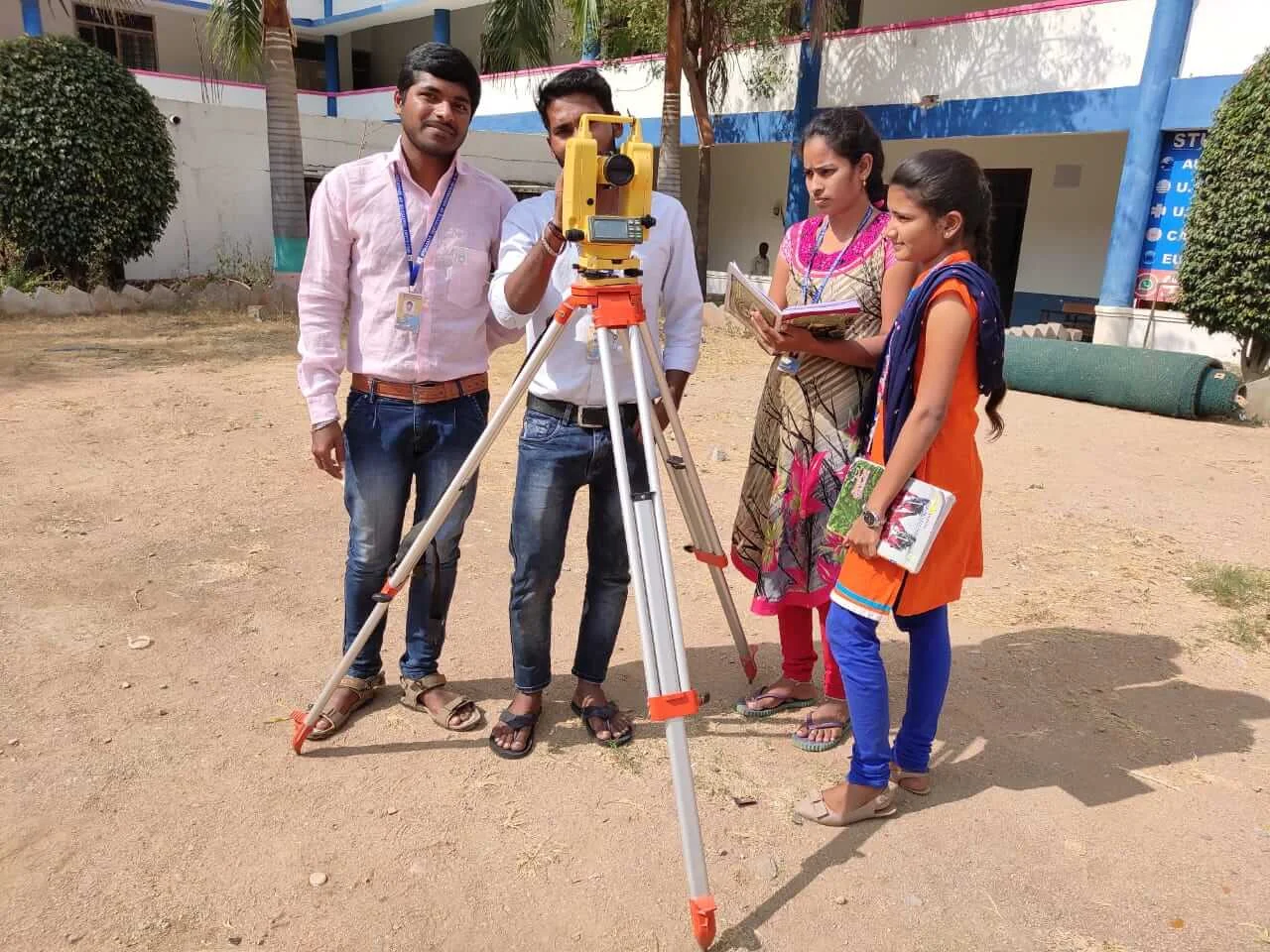
About the Department
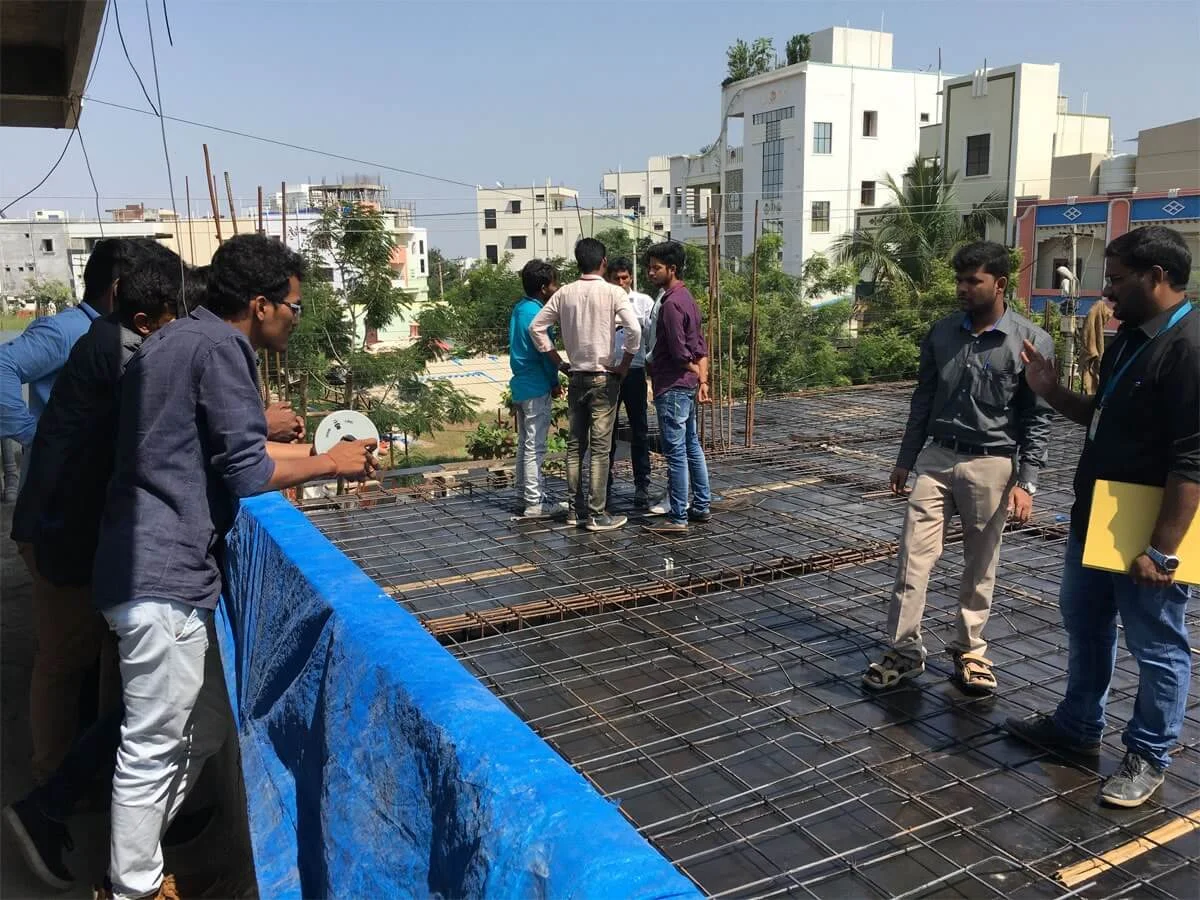
The B.Tech in Civil Engineering at Brilliant Institute of Engineering and Technology provides students with an extensive understanding of structural systems, construction materials, geotechnical engineering, transportation, and environmental engineering. With a curriculum designed to bridge theory and practical application, this program prepares students to become problem-solvers, innovators, and leaders in infrastructure development, construction, and urban planning.
Main Targets
- • To offer a comprehensive foundation in civil engineering, focusing on the principles of structural design, construction, and environmental sustainability.
- • To equip students with hands-on skills to innovate and develop cutting-edge infrastructure solutions.
- • To prepare students for leadership roles in industries such as construction, urban planning, transportation, and environmental engineering.
Future Applications
- • Smart Infrastructure: Civil engineers will design intelligent buildings and infrastructure integrated with IoT sensors for real-time monitoring and maintenance.
- • Sustainable Construction: Green building technologies and eco-friendly materials will drive the future of construction.
- • Renewable Energy Infrastructure: Civil engineers will be essential in designing foundations and structures for wind farms, solar parks, and hydroelectric plants.
Outcomes
Graduates will be able to:
- • Design and analyze structural systems for buildings, bridges, and infrastructure projects.
- • Apply geotechnical and environmental engineering principles to solve real-world challenges.
- • Develop sustainable construction solutions that minimize environmental impact.
- • Integrate modern technologies such as BIM (Building Information Modeling) into civil engineering practice.
Latest Trends
- • Building Information Modeling (BIM): Digital representation of physical and functional characteristics of facilities for better project management.
- • Green Building Technologies: Sustainable design practices reducing energy consumption and environmental impact.
- • Smart Cities: Integration of technology into urban infrastructure for improved quality of life and resource efficiency.
Career Opportunities
Graduates can explore careers in:
- • Structural engineering (designing buildings, bridges, and infrastructure)
- • Geotechnical engineering (soil analysis and foundation design)
- • Transportation engineering (roads, highways, and transit systems)
- • Environmental engineering (water treatment, waste management)
- • Urban planning and construction project management
For admissions, contact +91 9908810491